
Introduction — a kitchen tale, some numbers, and a question
I once stood over a laser table like a sous-chef over a smoky pan, wiping a brow that smelled faintly of burnt acrylic. The workshop felt small and crowded, and I remembered how often I’d reached for better ventilation — the kind that cooks off fumes like a restaurant hood. In many plants, fume extraction equipment is treated like garnish: useful, but not central (until someone coughs for a week). Recent surveys show that poor local extraction contributes to measurable drops in productivity and spikes in sick days — roughly 10–15% lost time in some small shops. So I have to ask: are we cooking with the right hood?
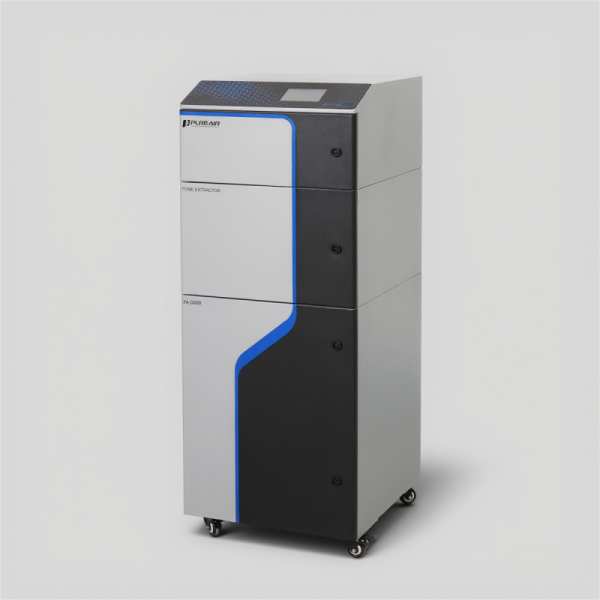
I say this because the issue isn’t just smoke; it’s about control. Capture velocity, HEPA filters, and the sheer choreography of ducts and hoods all matter. I’ve seen setups where a machine runs 24/7 but still lets micro-particles dance in the air like flour in a kitchen. That disconnect makes me uneasy — and it should make you curious. How do we get from a noisy fan to an intelligent extraction system that actually tames the fumes?
Let’s pull the lid and look inside — starting with what usually goes wrong, and why many “solutions” are no better than a bandage on a leaky pot.
Where traditional systems stumble: the hidden flaws
Why do so many systems fail?
fume extraction machine installs often begin with a checklist: fan, ductwork, filter. Fine. But I’ve watched that checklist become a trap. Installers pick a fan based on price, not capture velocity. Duct runs are long and full of bends, which kills performance. Filters are underspecified — HEPA cartridges are used like every other filter (they aren’t). The result: the system hums, but it doesn’t capture. Look, it’s simpler than you think — poor layout and mismatched components are the usual culprits.
Digging deeper, two technical truths stand out. First, pressure balance matters. If you don’t match the fan curve to your duct resistance, you’ll never reach your target air changes per hour. Second, maintenance is underrated. Filters loaded with particles mean reduced airflow and more recirculation of contaminants. I’ve seen fan coil units work harder and fail sooner because somebody skipped a filter change. And yes — power converters and variable-speed drives can help, but only if they’re tuned for the actual load, not for an ideal scenario on paper. These are not theoretical points; they are field facts I bump into every week — frustrating, but fixable.
New principles and where we go next
What’s next — smarter capture, not just stronger fans
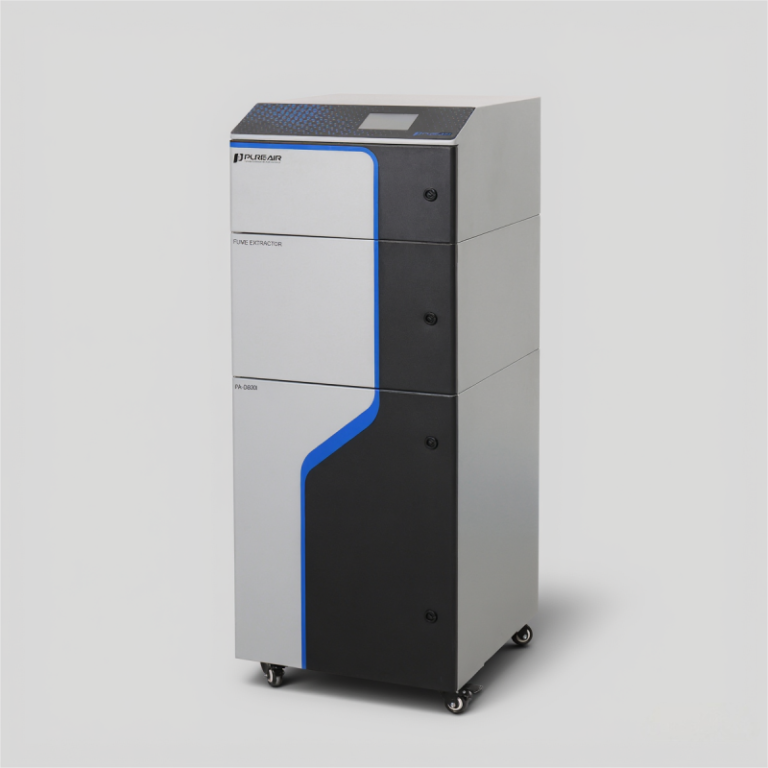
Moving forward, we need principles that elevate the whole system. I’m talking targeted capture, adaptive controls, and better sensor feedback. A modern fume extraction machine should behave like a smart range hood: it senses, it adapts, and it limits waste. Edge computing nodes and simple local controllers can modulate fan speed in real time, matching suction to process load. That reduces energy and keeps capture velocity where it counts. — funny how that works, right?
On the hardware side, smaller ducts with optimized bends, correct fan selection, and inline monitoring make a visible difference. We should aim for systems that report particulate counts, differential pressure across filters, and actual ACH. Those metrics let us intervene before performance collapses. I’m optimistic because the pieces are available; it’s the integration that’s been lagging. When the controls and the mechanical design speak the same language, operations run cleaner, quieter, and cheaper.
To wrap up, here are three practical metrics I use when evaluating solutions: measured capture velocity at the source, true air changes per hour in the occupied zone, and system-level energy per cubic meter of air moved. If a setup hits those marks, I trust it. If not, I’m asking for a redesign. For hands-on options and systems that follow these rules, I turn to experienced builders — like the team at PURE-AIR — who get that air quality is part engineering, part craft.
 admin