
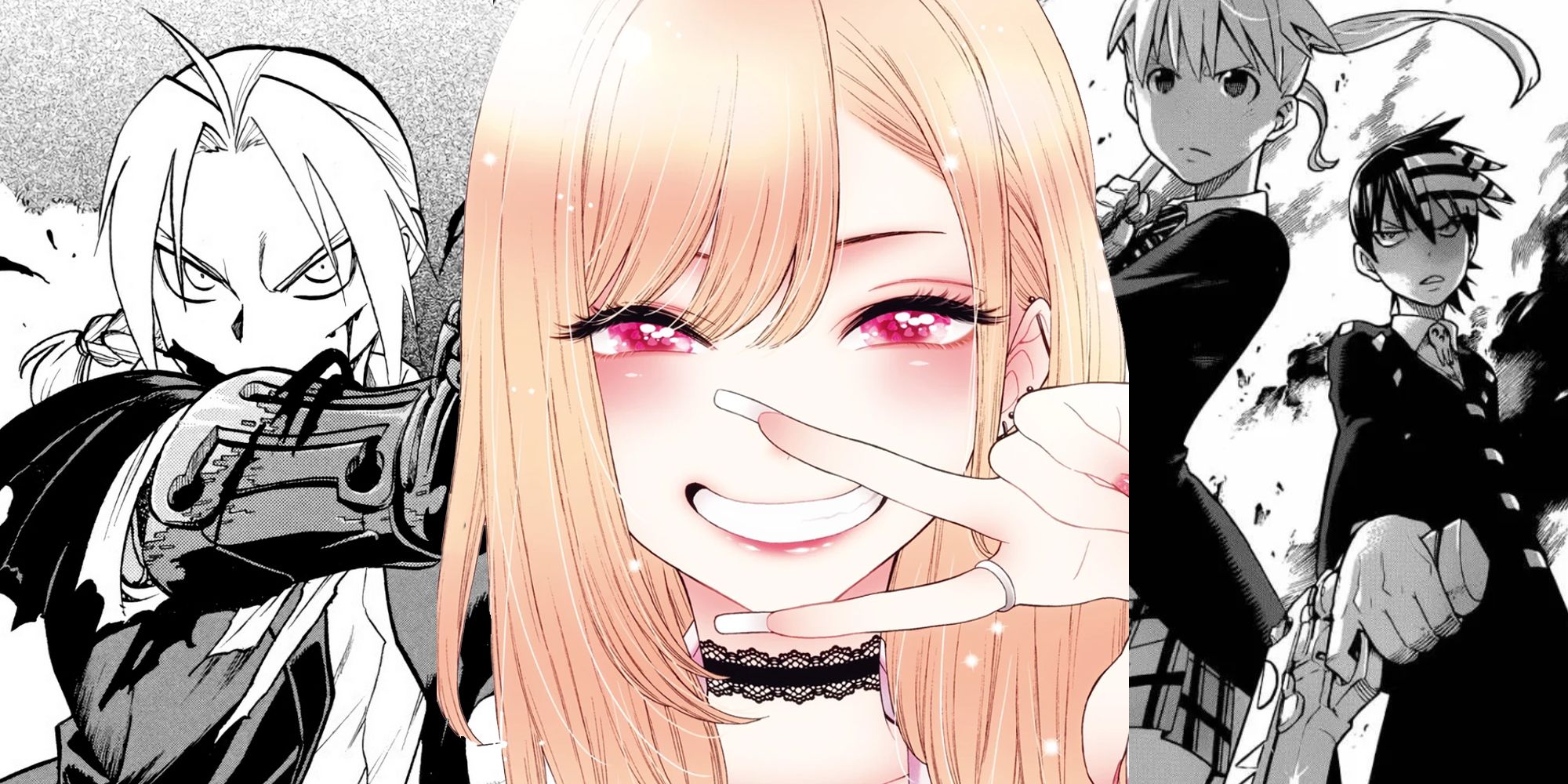
Manga is a unique art form that blends visual and textual storytelling in ways that are distinct from other media. The storytelling techniques employed in manga, from the layout of panels to the flow of narrative, play a crucial role in creating an immersive experience. For readers and creators alike, understanding these techniques can deepen read manhua modern at https://readmanga.cc/ appreciation and enhance the craft of manga. Here’s a closer look at the key elements of manga storytelling.
- Panel Composition and Layout
In manga, the arrangement of panels on a page is fundamental to pacing and narrative flow. Panels vary in size and shape to convey different aspects of the story, such as the passage of time or the intensity of a scene. Large, dramatic panels might be used to emphasize pivotal moments, while smaller panels can speed up the action or show quick exchanges. The layout is not always linear; artists often use unconventional panel arrangements to create visual impact or reflect a character’s emotions.
- Flow and Transitions
Manga storytelling relies heavily on the seamless flow between panels. The movement from one panel to the next should guide the reader’s eye naturally, ensuring that the narrative unfolds smoothly. Artists use various techniques, such as panel size, spacing, and direction of action, to control the pacing and create dynamic transitions. Effective transitions can convey a sense of continuity, while abrupt changes might be used to surprise or shock the reader.
- Visual Metaphors and Symbolism
Manga artists often use visual metaphors and symbolism to enrich the story. This can include recurring motifs, color schemes, or visual cues that represent deeper themes or character emotions. For instance, a stormy sky might symbolize turmoil or conflict, while a character’s changing expression can signify internal growth. Understanding these visual elements helps readers grasp the subtext and adds layers to the storytelling.
- Dialogue and Sound effects
Dialogue and sound effects in manga are more than just text—they are integral to the storytelling. Dialogue is typically placed in speech bubbles, which vary in shape and size to convey different tones and emotions. Sound effects, rendered in onomatopoeic text and often stylized, enhance the sensory experience of the story. Both elements are carefully integrated with the artwork to maintain the narrative flow and enhance the reader’s engagement.
- Character Design and Expressions
Character design plays a significant role in manga storytelling. Distinctive character designs, including unique clothing and features, help readers identify and connect with characters. Expressions and body language are also crucial for conveying emotions and reactions. Manga artists often use exaggerated facial expressions and dynamic poses to express a range of feelings, from joy to anger, making it easier for readers to empathize with the characters.
- Backgrounds and Settings
Backgrounds and settings in manga are more than just backdrops—they contribute to the storytelling by setting the scene and reflecting the mood. Detailed backgrounds can ground the story in a specific location, while minimalistic or abstract settings might be used to focus attention on characters and action. The use of backgrounds helps create a sense of place and can enhance the atmosphere of the narrative.
- The Role of Manga’s Unique Format
The format of manga, typically read from right to left and in black-and-white, affects its storytelling techniques. The right-to-left reading direction influences how panels and pages are designed, with a focus on guiding the reader’s eye through the story in a natural sequence. The black-and-white format, often with a reliance on tone and shading, allows artists to create striking contrasts and effects that support the narrative.
Understanding manga storytelling techniques provides insight into how this art form conveys its unique narratives. From the composition of panels to the integration of visual elements, each aspect of manga storytelling works together to create an engaging and immersive experience. Whether you’re a reader or an aspiring creator, appreciating these techniques can deepen your connection to manga and enhance your enjoyment of its stories.
 admin