
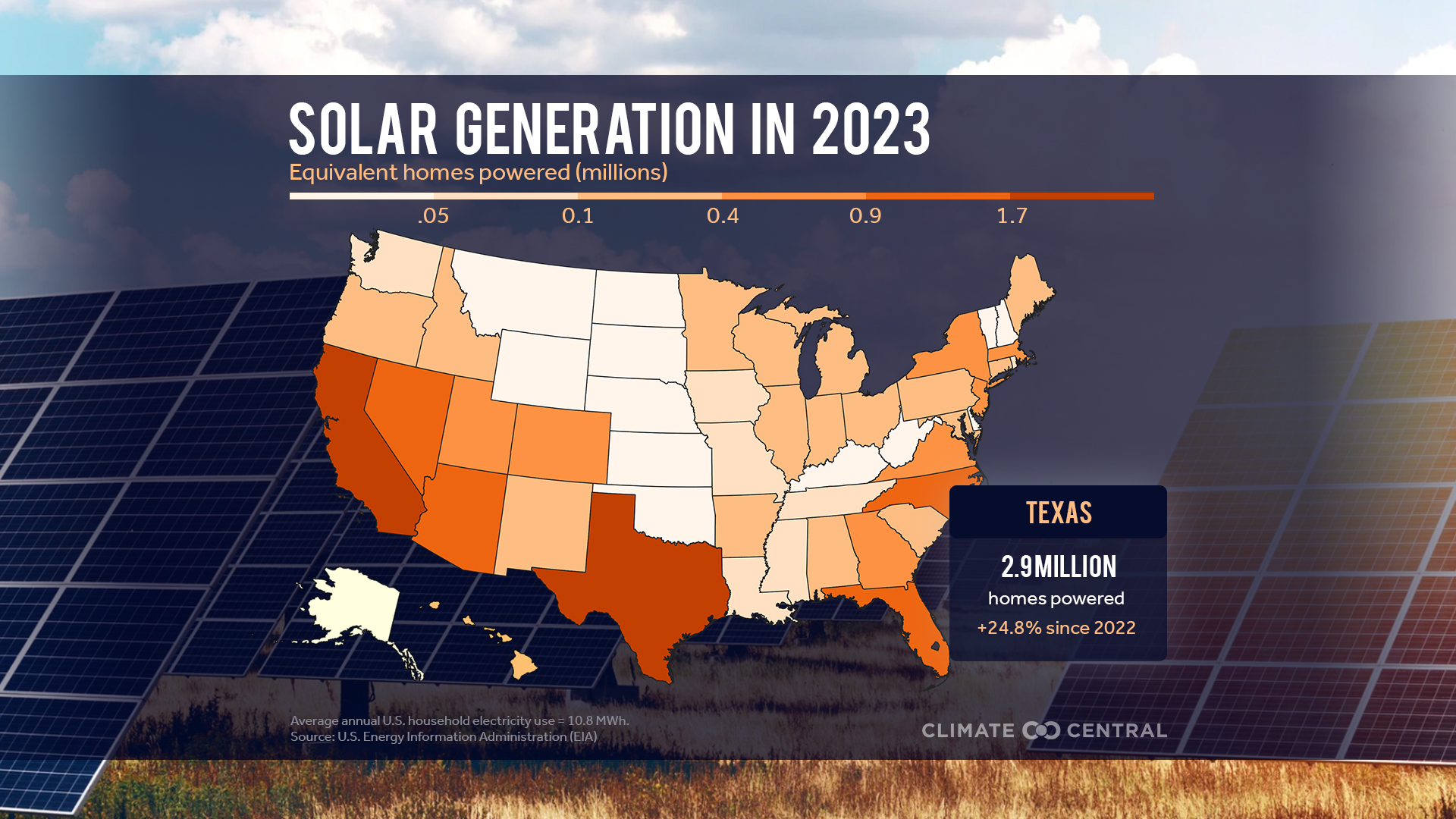
As energy prices continue to rise and environmental concerns grow, more homeowners and businesses are turning to solar power as a way to cut costs and reduce their carbon footprint. Solar panel installation is an investment that may seem expensive upfront, Solar panel installation in USa but in the long run, it can save you significant amounts of money. In this article, we’ll explore how solar panel installation can lead to substantial financial savings over time, making it a smart choice for many individuals and organizations.
- Lower Monthly Energy Bills
One of the most immediate ways solar panels save you money is by reducing your monthly electricity bills. Solar panels generate free electricity from sunlight, meaning the energy your system produces can directly offset the amount of energy you need to purchase from your utility company. Depending on the size of your solar panel system and your energy usage, you may be able to reduce your electricity bill by as much as 70% to 100%.
For example, if your monthly energy bill is typically $200, installing solar panels could reduce it to $60 or even eliminate it completely, depending on your energy production and consumption. Even in situations where your solar panels don’t cover all of your electricity needs, you will still pay less each month, leading to immediate savings.
- Net Metering and Energy Credits
In many states, homeowners with solar panels are eligible for a program called net metering. Net metering allows you to sell excess solar energy back to the grid. When your solar system produces more energy than you need (for example, on a sunny day when you’re not using much electricity), the extra power is sent to the grid, and you receive credits from your utility company.
These credits can be used to offset the cost of electricity you need to purchase during times when your system isn’t generating enough power, such as at night or during cloudy weather. Over time, these credits can significantly reduce your energy costs, especially if you live in an area with frequent sunny weather. Net metering helps to maximize the financial benefits of solar panels, making them even more cost-effective.
- Increased Home Value
In addition to lowering your utility bills, solar panel installation can also increase the value of your home. Studies have shown that homes with solar panel systems tend to sell for more than those without, making solar panels an attractive investment for prospective homebuyers. A study conducted by the National Renewable Energy Laboratory (NREL) found that, on average, solar panels can increase a home’s value by about 4%.
While the exact value increase depends on various factors such as location and the size of the solar system, the ability to save on energy bills is a significant selling point. Buyers are increasingly seeking homes with renewable energy solutions, as they recognize the long-term financial and environmental benefits of solar power. Therefore, investing in solar panels today could pay off if you decide to sell your home in the future.
- Federal and State Incentives
To further reduce the cost of solar panel installation, the federal government and many state governments offer tax credits, rebates, and incentives. The Federal Solar Tax Credit (Investment Tax Credit, ITC) is one of the most significant incentives available to homeowners. This program allows you to claim up to 30% of the cost of your solar system as a tax credit, reducing the upfront cost by thousands of dollars.
Many states also offer additional rebates, tax credits, or even sales tax exemptions to make solar installation more affordable. These incentives can drastically reduce the initial cost of installing solar panels, speeding up the payback period and increasing the overall financial savings. It’s essential to research the specific incentives available in your state or consult with a solar installation professional who can help you navigate these opportunities.
- Long-Term Savings and Low Maintenance Costs
Once your solar panel system is installed, maintenance and operational costs are minimal. Most solar panels are designed to last for 25 to 30 years or more, with very little maintenance required. Manufacturers often offer warranties of 20 to 25 years, ensuring that your system continues to perform at a high level for the duration of its life.
Solar panels are also incredibly durable, able to withstand various weather conditions such as rain, wind, and snow. While some homeowners may need occasional cleaning to remove dust and debris, the overall maintenance cost is much lower compared to other home appliances or energy sources. This means that after the initial investment in your solar panel system, your long-term expenses will be limited to any repairs (which are rare) and cleaning, allowing you to enjoy significant savings over the decades.
- Protection Against Rising Energy Costs
One of the most significant financial benefits of installing solar panels is the protection they offer against rising energy costs. Traditional energy prices, especially those from fossil fuels, tend to increase over time. By switching to solar energy, you can lock in your electricity rate at a fixed cost, insulating yourself from future price hikes.
For instance, if you’re in an area where electricity prices are expected to rise in the coming years, installing solar panels now can protect you from paying higher bills in the future. Even if your solar system doesn’t cover all of your energy needs, you’ll still be less vulnerable to rate increases from your utility company. This added financial stability makes solar panels an even more attractive long-term investment.
Conclusion
While the initial cost of solar panel installation can be substantial, the long-term financial benefits far outweigh the upfront investment. Lower energy bills, net metering opportunities, increased home value, federal and state incentives, low maintenance costs, and protection from rising energy prices all contribute to the money-saving potential of solar power. By switching to solar energy, you not only take control of your energy costs but also make a sustainable choice that benefits the environment. As solar technology continues to improve and prices continue to drop, there has never been a better time to consider making the switch to solar power.
 admin